

When choosing a color for your kitchen cabinets, it’s easy to get caught up in trends you see online. While some colors look stunning in photos, they don’t always translate well into real kitchens. Once lighting, wear, and long-term durability come into play, the new color may look worse than the original one you had. If you’re considering a cabinet painting in Asheville, it’s helpful to know which colors homeowners often regret and why a professional finish matters just as much as the color itself.
Below are several cabinet color choices that can cause problems in real kitchens—and how the professional refinishing process used by N-Hance Wood Refinising of Greenville helps homeowners get better, longer-lasting results.
Pure Bright White
White cabinets are extremely popular, and trruthfully, they’re not all that trendy. White cabinets are a classic. The problem comes with the shade. Ultra-bright white can sometimes feel harsh or sterile, especially in kitchens with cooler lighting. It may also show dirt, grease, and fingerprints more easily, and it tends to clash with warmer countertops or floors. A softer white, warm white, or off-white often creates a more welcoming and balanced kitchen design.
Extremely Dark Colors
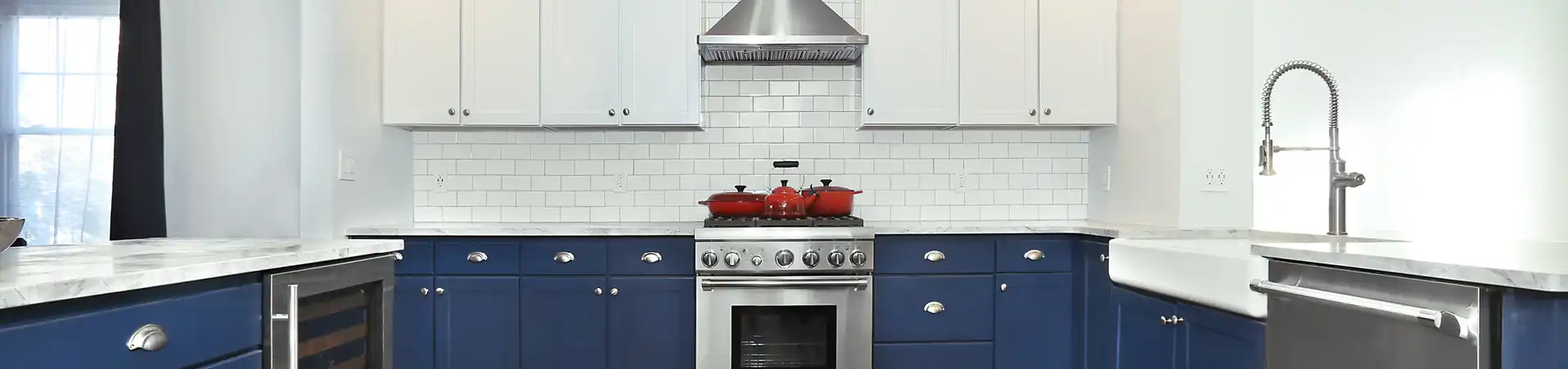
Deep charcoal, black, and navy cabinets are trending in modern kitchens, but going too dark can create issues in many homes. They’ll make your kitchen feel smaller and cramped, they show dust and scratches easily, and they can overpower the natural light in your space. Dark cabinets can work beautifully when balanced with lighter countertops, backsplashes, or upper cabinets.
Highly Saturated Trend Colors
Colors like emerald green, bright teal, or bold mustard might look amazing on social media—but trends change quickly. Bold colors can limit future resale appeal and make it harder to match your decor. If you love bold color, a kitchen island or accent cabinet is often a safer way to incorporate it.
Cool Gray in Warm Kitchens
Gray cabinets dominated design trends for years, but cool-toned gray can clash with warm woods, beige flooring, or cream countertops. Warmer greige tones or natural wood finishes are often better long-term options.
The Finish You Use Also Matters
Many homeowners assume cabinet painting simply involves brushing on standard paint. However, the type of finish used on cabinets is critical for durability and appearance.
Latex Paint (Typical DIY Option)
Traditional latex paint is often used in DIY cabinet projects. However, it has several limitations. It’s a thicker paint that hide the wood grain, it’s very prone to chipping, it takes longer to cure and dry, and it’s almost impossible to hide the brush marks or roller texture. As a highly skilled cabinet painter, the team here at N-Hance of Greenville implores you to avoid latex paint.
The N-Hance Solid Stain Finish
Instead of standard paint, N-Hance uses a proprietary solid stain finish designed specifically for cabinets and wood surfaces. This creates a smooth, factory-like finish that is more resistant to chipping, peeling, and other damage. It also cures and dries significantly faster than latex paint so you can use your cabinets as soon as we’re done with the job.
Reach out to the team here at N-Hance to discuss your cabinet makeover, today!