
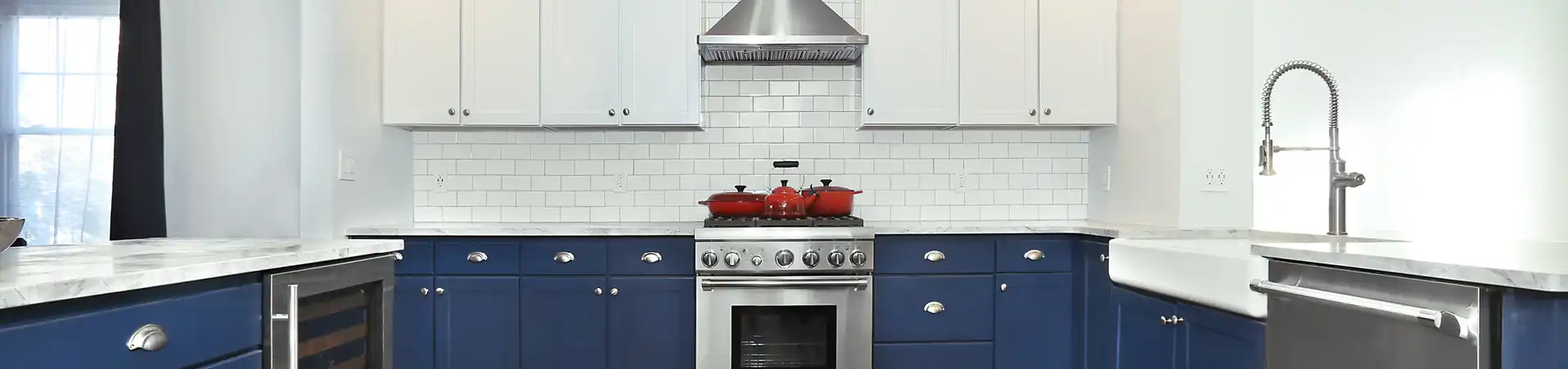
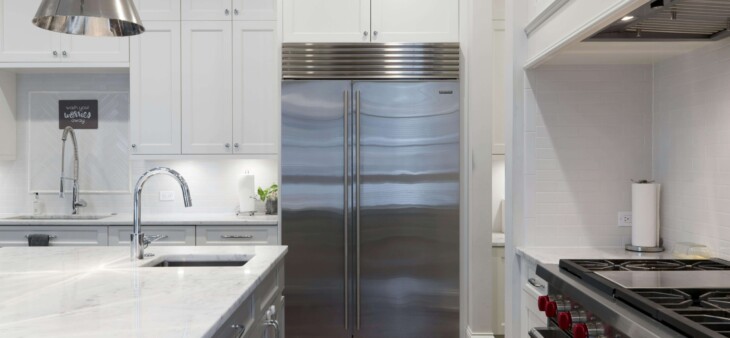
Every kitchen is different. The ceiling height, the layout, the amount of natural light, and the size of the family using it every day all shape what works and what does not. Cabinet height is one of the most consequential decisions in any kitchen design, and it is also one of the most misunderstood.
Get it right, and your kitchen feels spacious, organized, and intentional. Get it wrong, and even a well-appointed room can feel cramped, disconnected, or like something is just slightly off without being able to put a finger on why.
In this guide from N-Hance of Denver, our team will walk you through everything you need to know to make the right call for your specific kitchen, whether you are building from scratch, planning a remodel, or simply trying to understand your options before updating what you already have.
Why Cabinet Height Matters More Than You Think
Cabinet height affects your kitchen in two distinct ways that are easy to overlook when you are focused on finishes and hardware.
The first is visual. Taller cabinets draw the eye upward and make a room feel larger and more open. Shorter cabinets can make a ceiling feel lower than it actually is, which works in some design contexts but can feel confining in smaller kitchens.
The second is practical. Cabinet storage is always at a premium in a kitchen, and the vertical space between your countertops and your ceiling is some of the most underused square footage in the average home. The cabinet height you choose determines how much of that space you are actually putting to work.
Both of these factors interact with each other, and both interact with the specific dimensions of your kitchen in ways that make a one-size-fits-all answer impossible.
Start With These Four Factors Before You Choose Anything
Before looking at standard cabinet heights, get clear on these four things specific to your situation:
Your ceiling height is the most important number to know. Every standard cabinet size is designed to work within specific ceiling height ranges, and choosing outside those ranges creates awkward gaps or clearance problems that are expensive to fix after the fact.
Your personal design preferences matter just as much as the technical specs. Do you want a kitchen that feels grand and open, or warm and intimate? Tall cabinets that reach the ceiling read differently than cabinets with open space above them, and neither is objectively better.
Crown molding changes the equation. If your kitchen has existing crown molding, that affects which cabinet heights work cleanly with the architecture. If you are adding crown molding as part of a cabinet update, that decision needs to happen in coordination with the height choice.
Your storage needs are the practical reality that overrides aesthetic preferences in some cases. If you need the storage, that is the answer. If storage is not a constraint, you have more design flexibility to work with.
Standard Cabinet Height Options Explained
Wall Cabinets: 30 or 36 Inches
For kitchens with standard 8-foot ceilings, 30-inch and 36-inch wall cabinets are the most common choice. They sit proportionally within the space without feeling too heavy or too minimal. The 36-inch option gives you slightly more storage and tends to feel more substantial visually, which works well in larger kitchens with more visual space to fill.
Wall Cabinets: 42 Inches
If your ceiling is 9 feet or taller, 42-inch wall cabinets are worth serious consideration. They close the gap between the top of the cabinet and the ceiling more completely, which creates a cleaner, more finished look and adds meaningful storage in the process. This height works particularly well when you want the kitchen to feel designed rather than default.
Upper Cabinets: 48, 51, or 54 Inches
For kitchens with genuinely tall ceilings, upper cabinets in the 48 to 54-inch range make the most of the vertical space while creating a dramatic, high-end aesthetic. These heights highlight architectural ceiling features and give you storage that most kitchens simply do not have. The tradeoff is accessibility — the upper reaches of these cabinets typically require a step stool for most people, so they work best for items that are used infrequently.
Stacked Short Cabinets: 36 Inches
Stacking shorter cabinets is a flexible solution that works well in kitchens with soffits, lower ceiling sections, or unusual ceiling profiles. Rather than trying to force a single cabinet height to work across an inconsistent ceiling, stacking allows you to create a custom storage configuration that fills the space cleanly and looks intentional rather than improvised.
Tall Floor-to-Ceiling Cabinets: 84 or 96 Inches
Tall cabinets that run from floor to ceiling maximize storage in a way that wall cabinets simply cannot match. In an 8-foot ceiling kitchen, 96-inch cabinets fill the space completely for a built-in, seamless look. If you prefer a small gap between the cabinet top and the ceiling, which allows for crown molding or a decorative detail, an 84-inch cabinet gives you that flexibility. These work especially well for pantry-style storage, appliance garages, and utility areas within the kitchen.
The Ceiling-Height Cabinet Trend: What It Means for Your Kitchen
One of the most consistent shifts in kitchen makeovers in Denver, CO, over the past decade has been the move toward cabinets that reach all the way to the ceiling. What was once considered a bold or unusual choice has become one of the most requested looks in kitchen renovations, and for good reason.
Ceiling-height cabinets eliminate the awkward soffit space above traditional wall cabinets that collects dust and is too small to use effectively. They make ceilings feel taller. They add storage without changing the footprint of the kitchen. And they give the room a clean, intentional finish that shorter cabinets with open space above them rarely achieve.
The good news for Denver homeowners is that reaching this look does not always require replacing your cabinets entirely. In many kitchens, adding small filler cabinet boxes above existing wall cabinets bridges the gap to the ceiling cleanly and cost-effectively. Pair that with a professional refinishing or painting treatment to unify the finish across old and new cabinet boxes, and the result is seamless.
How N-Hance of Denver Can Help
Once you have settled on the right cabinet height for your kitchen, the finish is what brings the whole vision together. Whether you are working with existing cabinets that need to be refreshed, adding new boxes to reach the ceiling, or completely transforming the color and character of the space, N-Hance of Denver has the services to get it done right.
Cabinet painting in Denver is one of the fastest ways to transform how a kitchen looks and feels without touching the layout or the structure. Our furniture-grade painting system uses products engineered specifically for cabinetry and cured instantly with our proprietary Lightspeed® Nano UV technology, producing a smooth, factory-quality finish that holds up through years of daily kitchen use.
If your cabinets have a solid finish that has dulled, worn, or faded over time, cabinet refinishing in Denver restores that surface to a durable, consistent result without the cost or disruption of replacement. Most projects are completed in just a few days with low odor throughout.
And if your cabinet boxes are in good shape but the doors and drawer fronts are what are holding your kitchen back visually, cabinet refacing in Denver replaces only the visible surfaces while refinishing the existing frames to match, delivering a result that looks like a full kitchen renovation at a fraction of the cost.
Ready to Take the Next Step?
Whether you are still deciding on the right cabinet height or you already know exactly what your kitchen needs, N-Hance of Denver is here to help you get there. Schedule a free in-home estimate today and let us show you what your cabinets are capable of.